
How to Choose the Right Cart for Your Induction Heaters in the Workshop
A suitable cart simplifies handling and storage of induction heaters in the workshop. This guide covers key criteria such as stability, ergonomics, and load capacity to help you choose the right cart.
The Role of a Cart for Induction Heaters in the Workshop
In a workshop setting, induction heating is a precise and efficient method for tasks like dent repair or localized heat treatment. A dedicated cart not only makes it easier to move often heavy and bulky equipment but also helps organize the workspace by keeping the device and its accessories within easy reach. This improves ergonomics and enhances safety during handling.
Criteria for Choosing a Suitable Cart
Several factors should be considered when selecting the ideal cart:
- Compatibility with your induction heater model: The cart should be designed for the specific series of devices you use. For instance, the cart for DHI-4 induction heaters is universal for that particular range and includes three levels to organize your equipment.
- Stability and load capacity: The cart must support the weight of the equipment and accessories without tipping risk. Look for sturdy construction with materials resistant to wear and vibrations incurred during device operation.
- Mobility and ergonomics: Quality swivel casters with locking systems allow smooth and secure movement in the workshop. The height and arrangement of the shelves should facilitate handling without excessive strain.
- Organization: Multiple levels or platforms ensure orderly storage of components like induction coils, various accessories, and cables.
Example of an Available Cart
The "Cart for DHI-4 Induction Heaters" (reference 07-400-01) is a universal model suited for the DHI-4 series devices. It features three storage levels, enabling practical and accessible arrangement of equipment and accessories. Its robust design guarantees stability and mobility in the workshop.
Usage and Maintenance Tips
- Regularly inspect the cart’s condition, including wheels, fasteners, and device support surfaces.
- Avoid overloading the shelves to preserve stability.
- Clean the cart periodically to prevent dust and debris accumulation that could hinder mobility or cause damage.
- Always follow safety guidelines concerning the electrical and thermal handling of induction heaters.
Practical Checks Before Purchasing
- Verify the cart’s reference number and compatibility with your specific equipment.
- Check the cart’s dimensions relative to the available space in your workshop.
- Examine wheel characteristics and presence of locks or attachments.
- Review the indicated load capacity and compare it with the weight of your devices and accessories.
- Ensure the cart offers good organization and easy access to all tools necessary for your tasks.
Choosing the right cart for induction heaters is vital for safe and efficient work. Pair this cart with suitable heating accessories to create a practical and functional workstation.
Explore the equipment
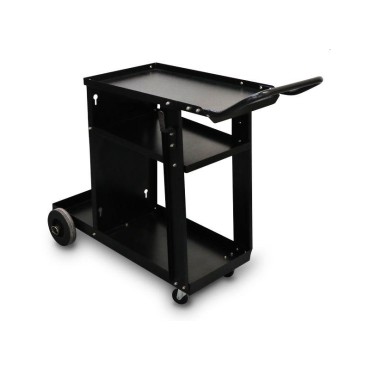 Three-Tier Trolley for DHI-4 Induction HeatersView product
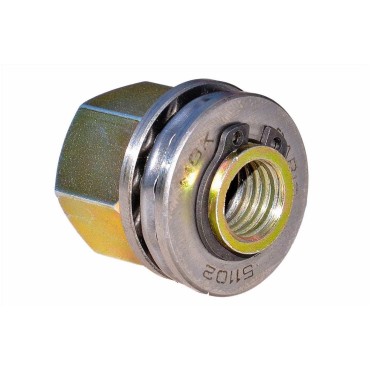 Hardened M12 Puller Nut with BearingView product
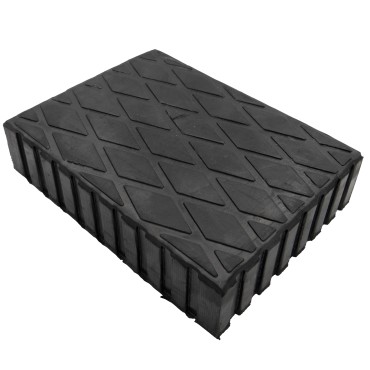 Rubber Block for Scissor Lifts, 1 PieceView product
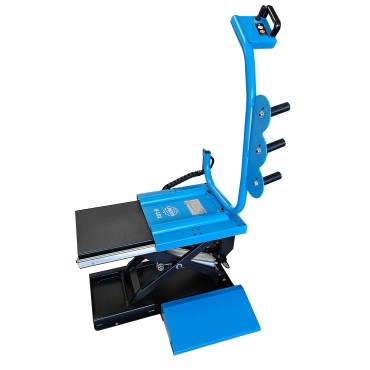 Pneumatic Wheel Lift for Wheel Balancers, 75 kgView product
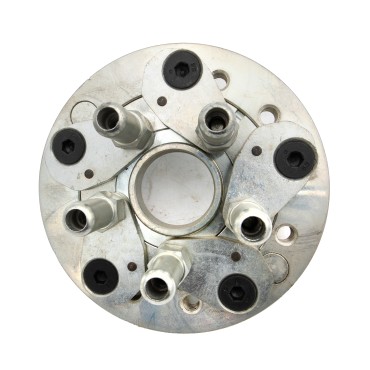 Universal wheel adapterView product
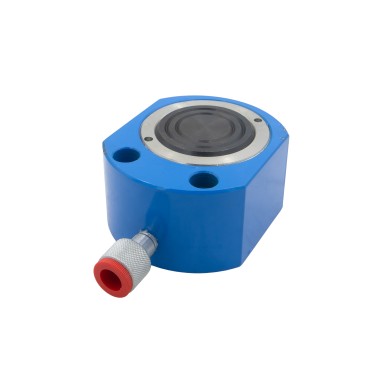 30t flat hydraulic cylinderView product
 Blasting cabinet glovesView product
 Sandblaster Protective Film for SBC350, SBC520, SBC700, SBC900 and SBC1200View product