
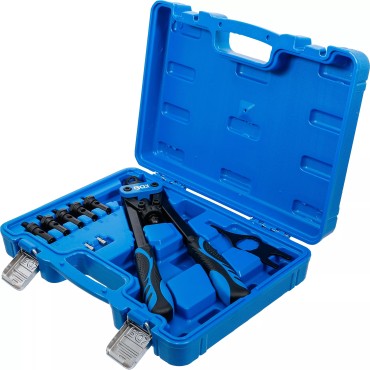
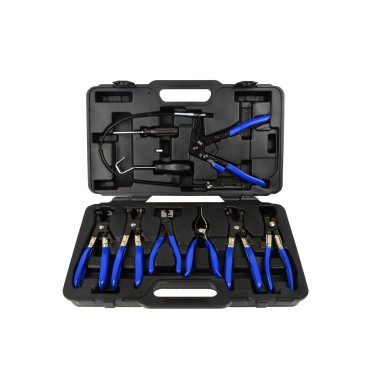
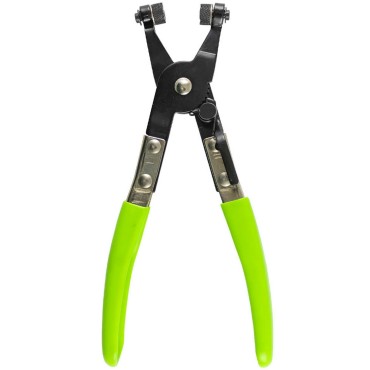
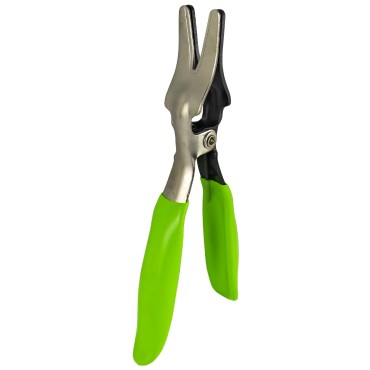
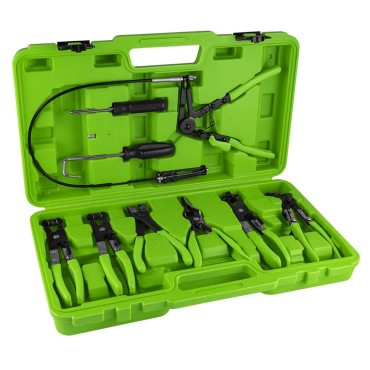
Special pliers cover tasks that ordinary combination or long-nose pliers are not designed to handle. This category includes tools for crimping, hose clamps, cable cutting, riveting, circlips and locking grips, so start by identifying the operation and the material or fastener involved.
Match the tool to the job
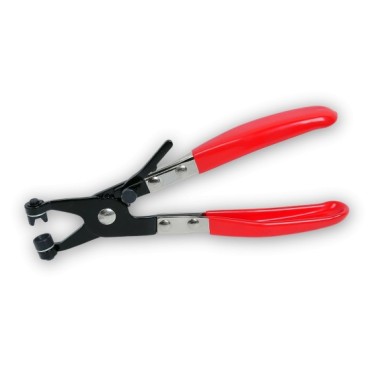
For a secure connection, compare crimping tools with the connector type you use. For hose work, check that the pliers suit the clamp’s mechanism and allow access around the hose. Cable cutters are intended for cutting cable; confirm that the cable material and size are within the tool’s stated capacity.
Riveters differ by the fastener they accept and how they are operated. Check the rivet material and diameter, or the thread size for a nut riveter, before choosing. For repeat work or awkward access, consider whether a longer-arm design or a rivet-collecting feature is useful.
Consider access, grip and included tips
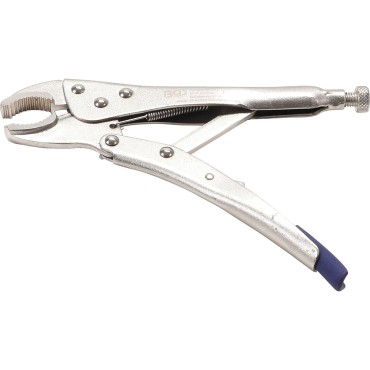
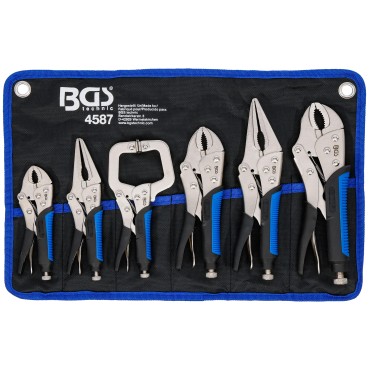
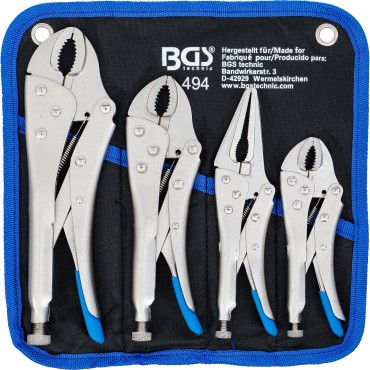
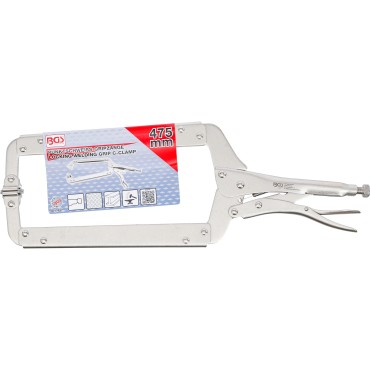
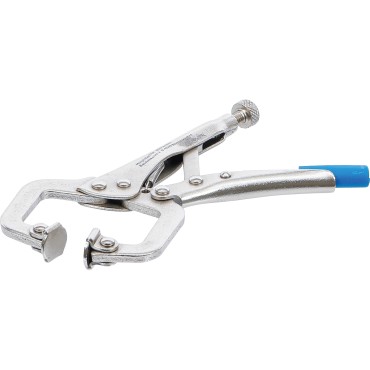
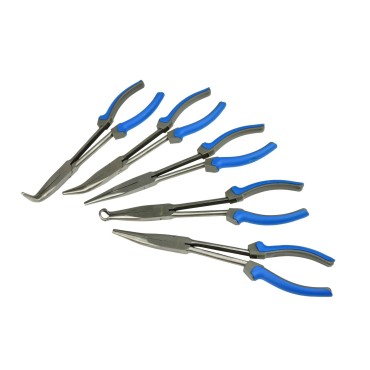
Locking grip pliers are available in standard and long-nose forms, as well as sets. Consider jaw shape, working clearance and the type of release lever that best suits the task. Sets can offer several tool configurations, but check the contents rather than assuming a particular combination.
For circlip work, verify that the pliers are intended for the circlip type and application, and check which interchangeable tips are included. If the work involves commercial vehicles, confirm the tool’s stated suitability and dimensions before purchase.