

In stock
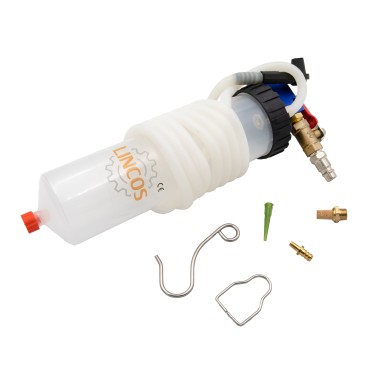
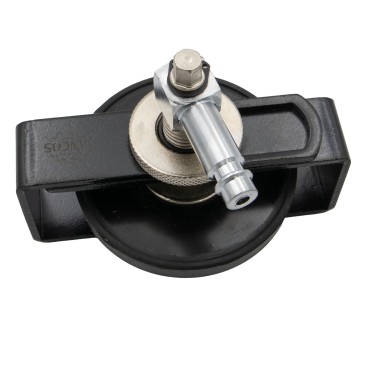
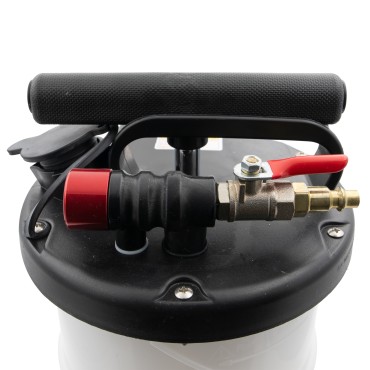
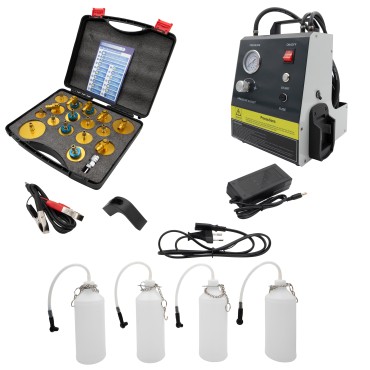
Electric Brake and Clutch Bleeding Device with Adapter Set
€185.35 Excl. VAT€222.42 Incl. VAT
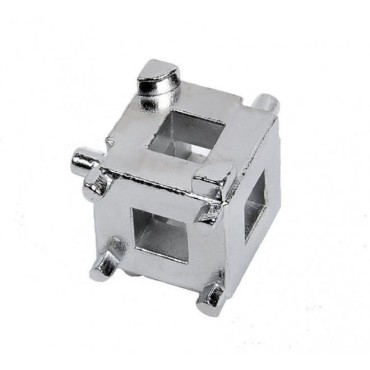
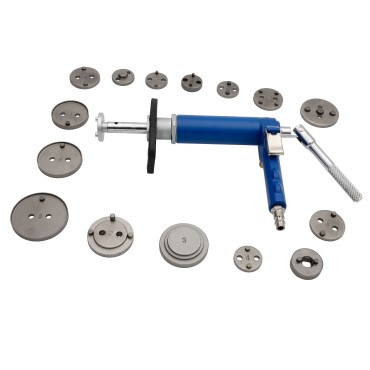
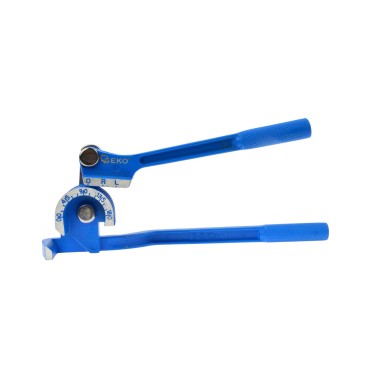
Brake tools support workshop tasks such as bleeding and testing hydraulic systems, servicing calipers, measuring components and working with brake pipes. This category brings together equipment for different stages of brake maintenance, so choose tools according to the job and the vehicle being serviced.
Choose tools for the task
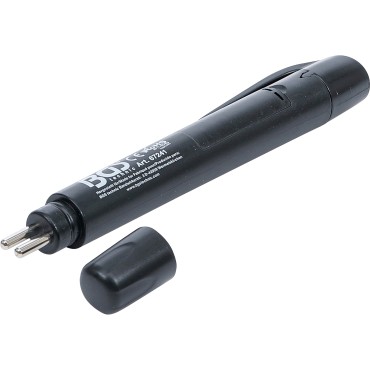
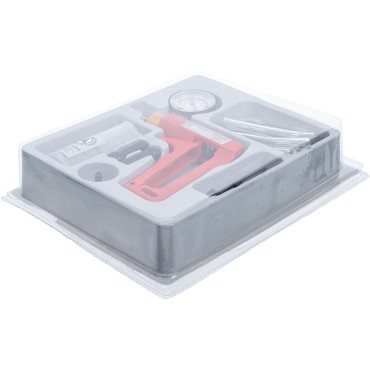
For fluid service, compare bleeding equipment by its operating method and intended use; the examples include electric, pneumatic and manual options, as well as fluid testers and pressure-test equipment. Check what each tool measures or supports before selecting it.
For mechanical work, consider whether you need caliper-specific tools, sockets or a broader maintenance and assembly set. Verify the tool’s intended application and the vehicle’s requirements, especially where a tool is designed for a particular model or system.
Check measuring and pipework requirements
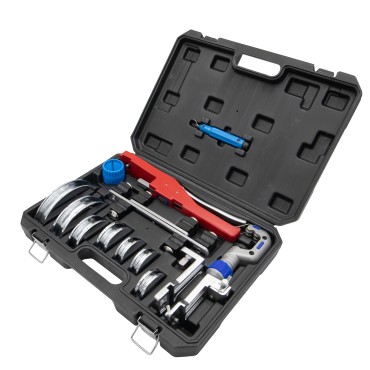
Dial indicators and other measuring tools can help with inspection, while pipe flaring tools and benders address brake pipe work. Match the tool to the measurement or pipe-forming task, and confirm that its working range and method suit the component being serviced.
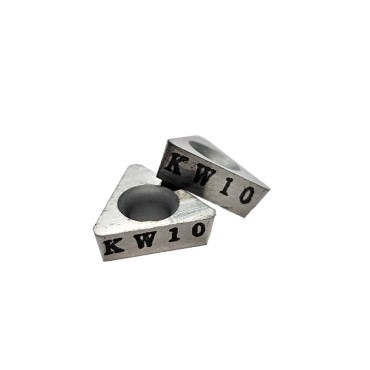
Brake disc lathes are another specialised part of brake service equipment. Consider the type of disc work required and check the equipment’s application details before use.
Plan a complete service setup
A brake job may call for several tool types, from fluid handling and testing to caliper service or pipe repair. Review the work sequence and vehicle-specific requirements so the selected tools cover the tasks without assuming that adapters or accessories are included unless stated.