
In stock
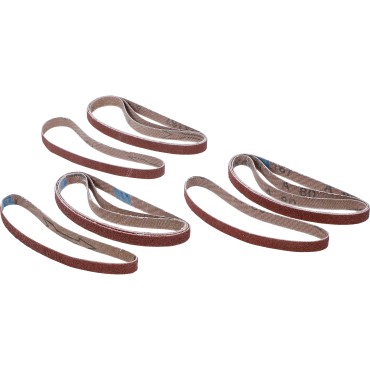
Grinding Belt Set for BGS 8853, 10mm x 330mm, K60-K120, 12 pcs
€12.04 Excl. VAT€14.45 Incl. VAT
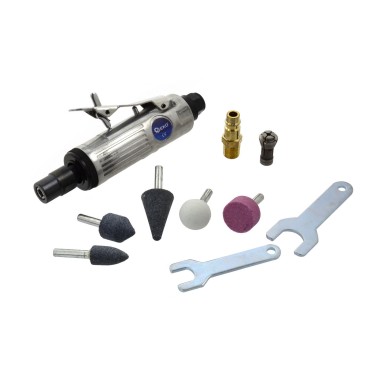
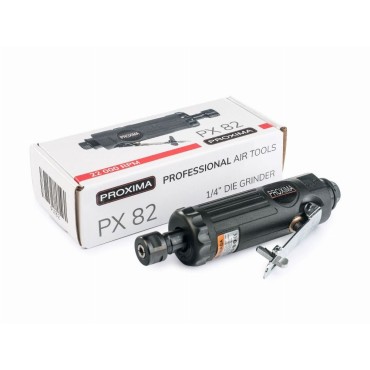
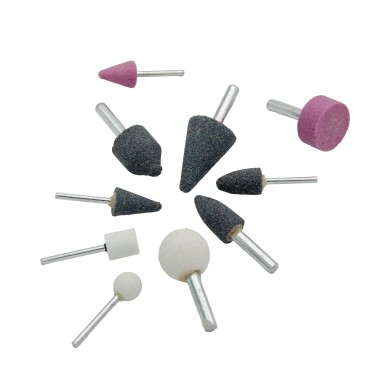
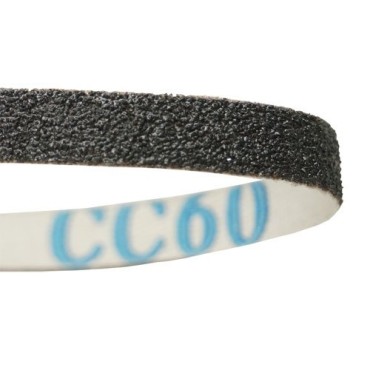
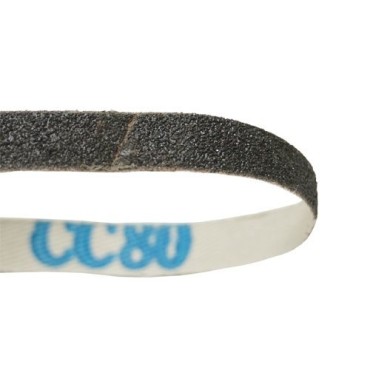
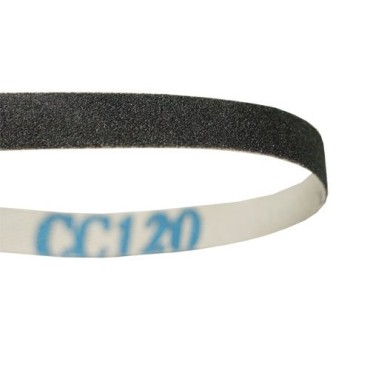
Air grinders use compressed air for grinding, sanding and related workshop finishing tasks. This category includes die grinders in straight, angled, short and extended designs, as well as eccentric and belt grinders, so the work area and finishing method are central to choosing a suitable tool.
For confined areas or work requiring a narrow approach, compare the shape and overall length of a die grinder. Angled models can provide a different access direction, while longer designs may help reach recessed areas. For broader surface finishing, consider whether an eccentric or belt grinder better matches the surface and abrasive method required.
Before choosing, verify the grinder’s speed and the abrasives or accessories it is designed to use. Belt grinders require belts of the correct dimensions, while other grinder types may use different accessory formats. If a set is supplied, check its contents against the task rather than assuming it includes every abrasive or fitting needed.
Confirm that your compressed-air connection and workshop setup are suitable for the selected tool. Also consider how the tool will be handled during the intended work, including access, control and the space available around the workpiece. These checks help narrow the choice between compact, angled, extended and surface-finishing designs.