
Using and Replacing Spare Parts for Tire Changers: A Practical Guide
This practical guide explains the use and replacement of key spare parts for tire changers, essential for optimal operation and safety during tire maintenance in workshops.
Introduction
The tire changer is an indispensable tool in any mechanical or automotive repair workshop. To ensure its performance and extend its lifespan, it is crucial to use the correct spare parts and know when and how to replace them. This guide will help you better understand the most important components involved in tire mounting and removal, their functions, as well as practical advice for maintenance and replacement.
Key Spare Parts for Tire Changers
Several spare parts directly contribute to the proper functioning of a tire changer. Here are commonly worn or attention-worthy components:
- Clamp Jaw Protection Set (ATP-CPM): These protections are placed on the jaws that hold the rim to prevent damage during clamping. They protect the rim surface while ensuring a secure grip.
- Bead Breaker Protector (ATP-BP): This part is attached to the bead breaker arm. It protects the tire from damage when separating the tire bead from the rim.
- Lifting and Demounting Disc (ATP-BLD): Used to facilitate the lifting and removal of the tire, this disc must be in good condition to guarantee smooth demounting.
- Complete Bead Breaker Cylinder Kit (ATP-BC): The cylinder is a hydraulic or pneumatic component that ensures the bead is broken free. A full kit allows replacement of worn or failing elements.
- Pneumatic Valves such as Exhaust Valve (ATP-CEV) or 5-Way Valves (ATP-FW1, ATP-FW2, ATP-FW3): These valves are crucial for controlling airflow that actuates jaws and cylinders, precisely regulating tire changer movements.
Usage and Maintenance Tips for Spare Parts
To extend your tire changer’s lifespan and avoid costly repairs, consider these practical recommendations:
- Always check the condition of clamp jaw protections (ATP-CPM) before use. Replace if signs of wear, cracks, or tears appear.
- Regularly inspect the bead breaker protector (ATP-BP) to prevent damage to the tire bead, which could compromise sealing or remounting.
- The lifting disc (ATP-BLD) must be clean, free from deformations or cracks. A damaged disc may cause difficult demounting or pose operator risks.
- Pneumatic cylinders and their kits (ATP-BC) require periodic checks for airtightness and proper function. A faulty cylinder slows operations and may cause accidents.
- Maintain pneumatic valves by removing dust or moisture from lines. Use valves compatible with your tire changer model and follow manufacturer recommendations.
Replacement Considerations
Before replacing parts:
- Check Compatibility: Ensure the spare part matches your tire changer model. For example, clamp jaw protections come in different sizes and models.
- Consult the Manual: For components like cylinders or pneumatic valves, always refer to the user manual. Replacement may involve partial disassembly and specific precautions.
- Use Original or Certified Parts: This ensures quality, safety, and durability of components.
- Follow Safety Standards: During maintenance or replacement, wear appropriate protective gear (such as safety glasses) and ensure the tire changer is de-energized or depressurized.
Pre-Purchase Checks
When selecting spare parts for your tire changer, keep in mind:
- Exact Reference: Note the exact part number (e.g., ATP-CPM for clamp jaw protection, ATP-BP for bead breaker protector).
- Technical Description: Compare part descriptions with your specific needs based on tool use and model.
- Dimensional Compatibility: Verify dimensions and specific characteristics, especially for parts in direct contact with tires or rims.
- Quality and Material: Choose durable components suitable for intensive workshop use.
By following this guide, you will be able to safely and effectively use, maintain, and replace the spare parts of your tire changer, ensuring high-quality workshop operations.
Explore the equipment
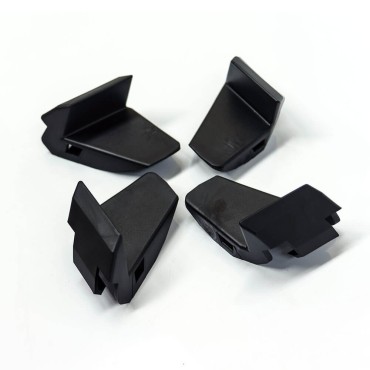 Tyre Changer Jaw Clamp Protector Set, MediumView product
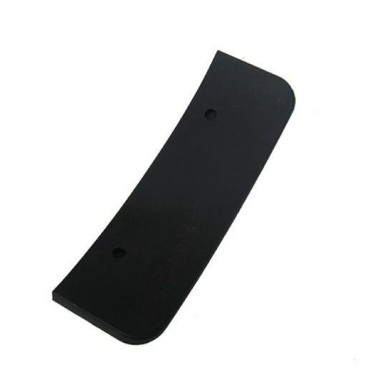 Bead Breaker Protector for Aluminum RimsView product
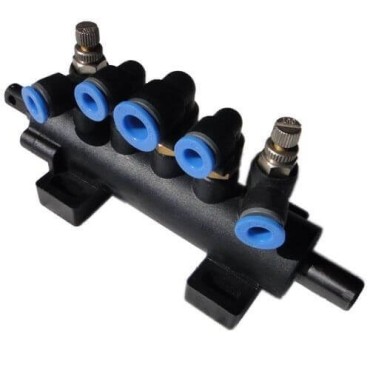 5-Way Adjustable ValveView product
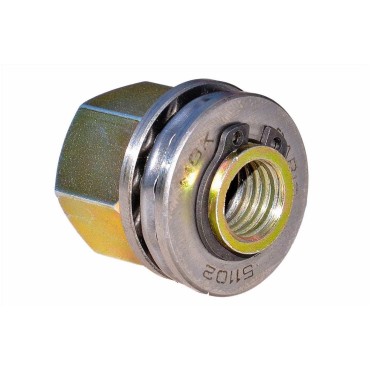 Hardened M12 Puller Nut with BearingView product
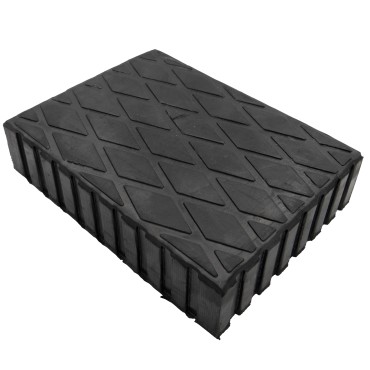 Rubber Block for Scissor Lifts, 1 PieceView product
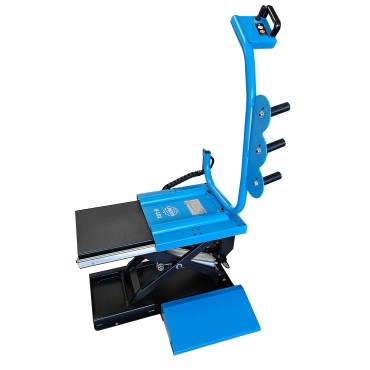 Pneumatic Wheel Lift for Wheel Balancers, 75 kgView product
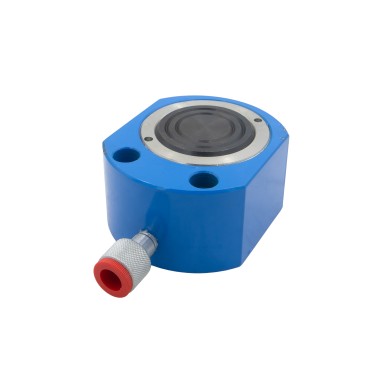 30t flat hydraulic cylinderView product
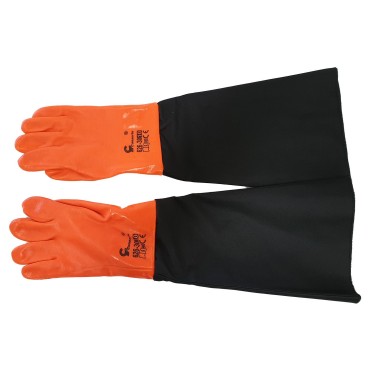 Blasting cabinet glovesView product