
Organize Your Workshop: Choosing Tools Based on Your Tasks
A well-equipped workshop starts with a thoughtful selection of tools aligned with your actual tasks. Identify your routine interventions to decide on useful purchases and organize storage effectively.
Take Inventory of Your Tasks
Begin by listing the types of work you regularly perform, those you do occasionally, and those you do not handle. This helps distinguish between basic tools and specialized equipment, preventing purchases unsuitable for your actual needs.
For each category of tasks, note which tools you already have, those you lack, and any that need replacement. Assess not just their presence but their condition and suitability. Tools with unclear identification or poor condition should be examined before reuse.
Focus on Features Over Quantity
A large toolset isn’t always the best fit for your activities. Check sizes, profiles, drive types, and included accessories. Compare what’s actually included against your list of needs to spot useful items and identify missing essentials.
When combining multiple tools or accessories, ensure compatibility and intended use. Dimensions alone don’t guarantee proper fit or performance. Follow manufacturer guidelines, especially for tools subject to stress or used with motorized equipment.
Differentiate Frequent Use from Specific Needs
Tools you use often should be easy to find and access. Specialized tools may be grouped by operation or by associated equipment, facilitating preparation without forcing all tools into the same location.
Before buying specialized equipment, consider related constraints: workspace requirements, power supply, accessories, training, and usage conditions. Purchase price doesn’t capture all factors necessary to integrate the tool into your workshop.
Plan Storage Alongside Tools
Choose storage solutions suitable to tool size and your working style. Cases, carts, and fixed storage serve different needs. Verify product specifications for dimensions and weight limits rather than relying on appearance alone.
Clearly identified storage helps locate tools quickly and spot missing items. Separate consumables, spare parts, and reusable tools when it helps tracking. Keep manuals and purchase references accessible for future checks.
Build a Prioritized Shopping List
- Missing tools for the tasks you regularly perform.
- Replacements needed based on equipment condition.
- Essential accessories for compatibility and intended use.
- Storage solutions that maintain clear organization.
- Specialized equipment tied to specific activities.
Rank these needs by importance to your workshop. This approach simplifies offer comparisons and clarifies how each purchase supports your work or organization.
Review Your Selection Before Finalizing
Consult product categories and datasheets to compare contents, dimensions, and claimed uses. Check quantities and which accessories are sold separately. If multiple items need to work together, verify compatibility if not clearly stated.
Also prepare for receiving larger equipment. Consider storage space, access to the workshop, and any handling needs. A coherent selection considers both the work ahead and the conditions for receiving and using the equipment.
Explore the equipment
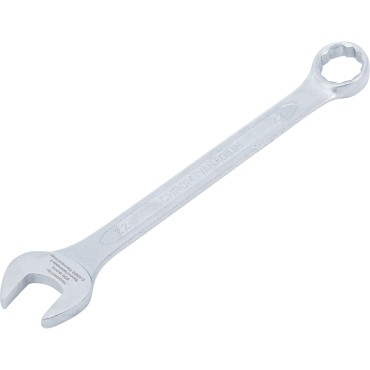 Combination Spanner, 22 mmView product
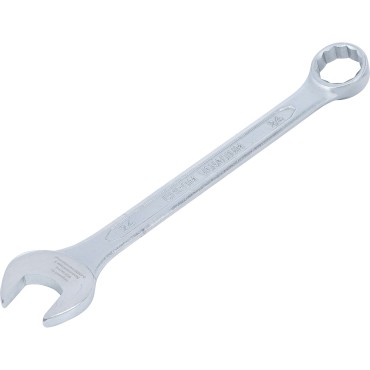 Combination Spanner, 24 mmView product
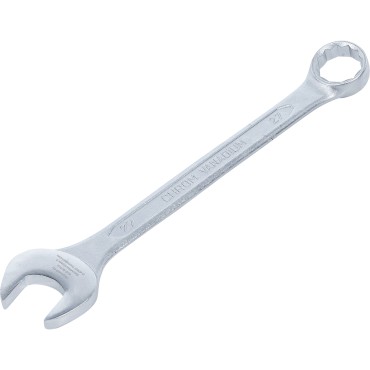 Combination Spanner, 27 mmView product
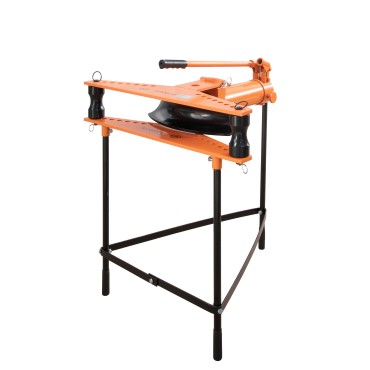 Pipe bender, 16 tons, with standView product
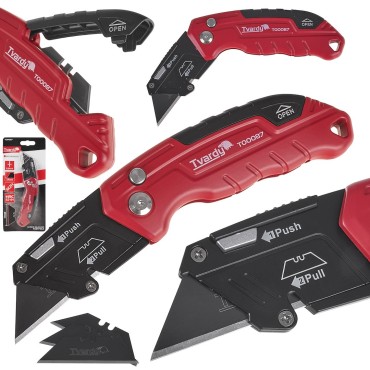 Folding utility knife with trapezoidal SK2H blade 60x19x0.6mm, aluminium body, belt clip and 3-position lockView product
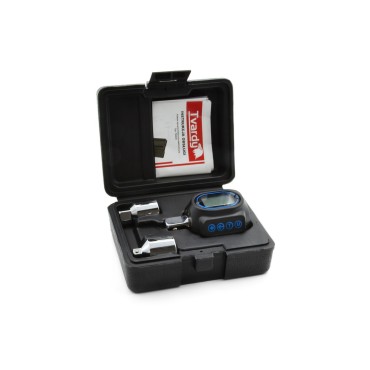 Digital Torque Adapter 40-200Nm, 1/2" with 1/4" and 3/8" AdaptersView product
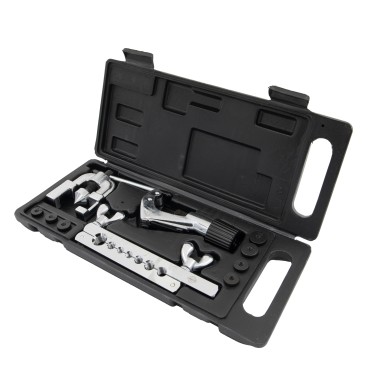 Brake Line Double Flaring Tool Kit, 10-PieceView product
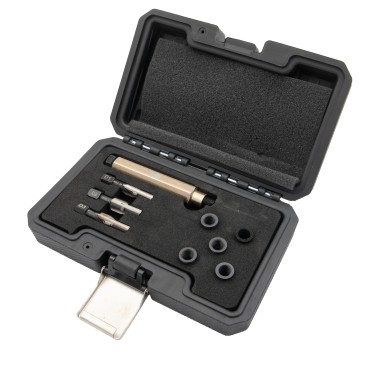 Glow Plug Thread Repair Kit, M10X1.25mmView product