
How to Choose a Tire Changer for Your Workshop: Key Points to Consider
Selecting a tire changer depends on the types of wheels you handle and your workshop setup. Here are essential questions to ask before comparing machines and accessories.
Start with the Wheels You Work On
Before examining the functions of a tire changer, describe your activity. Do you service passenger vehicles, utility vehicles, motorcycles, or several types of vehicles? Wheel and tire characteristics can require different capabilities and accessories. A machine suitable for one use may not be appropriate for others.
Note the wheel sizes you usually encounter and those you want to be able to handle. Compare these requirements with the limits stated on each product sheet and manufacturer documentation. Rim diameter, rim width, and the overall wheel dimensions are distinct measurements. A single value is therefore insufficient to confirm compatibility.
Verify Installation Requirements Before Purchase
Measure the intended space while considering the movements of the machine, operator, and wheel. Plan a route for delivering, unloading, and positioning the equipment. The floor space occupied is only part of the workspace needed.
Check the electrical power requirements for the exact model version. If compressed air supply is needed, compare the machine’s specifications with your available installation. Do not assume compatibility based solely on a photo or trade name; consult technical data and request confirmation if any information is missing.
Compare Included Equipment and Optional Features
Two seemingly similar offers may include different accessories. Verify what comes with the machine, what is optional, and which components you might need for your specific work. Assistance devices, protective gear, and adapters should be selected based on the model.
An adequate protection device helps limit direct contact with the rim but does not replace correct working procedures. If you work on specialized tires or wheels, confirm that the machine, accessories, and recommended method are suitable. Do not equate the presence of an assist arm with universal compatibility.
Consider the Continuity of Your Activity
Examine accessory and wear part availability before purchasing. Identify references for protectors, heads, and other elements you may need to replace. Keep documentation and information to recognize your machine’s version.
Also, choose a location that facilitates manufacturer-recommended checks and maintenance. This consideration helps integrate the new equipment into the daily workshop workflow beyond simply comparing purchase prices.
Checklist to Compare Models
- Do the wheels you service fall within the stated capacities?
- Are the power supply and workspace compatible with your setup?
- Are necessary accessories included or must they be ordered separately?
- Can you identify wear part references?
- Have you planned for delivery and unloading?
Keep these questions handy alongside product sheets when comparing models. This approach helps you distinguish differences in capacity, equipment, or installation from mere presentation variations.
From Selection to an Appropriate Order
Explore related equipment and categories below, then review the product sheet for your chosen model. If in doubt, gather wheel dimensions, power supply details, and workshop constraints to contact us.
This guide assists in preparation. Installation, training, and machine use must follow the manufacturer’s instructions and do not replace the official manual.
Explore the equipment
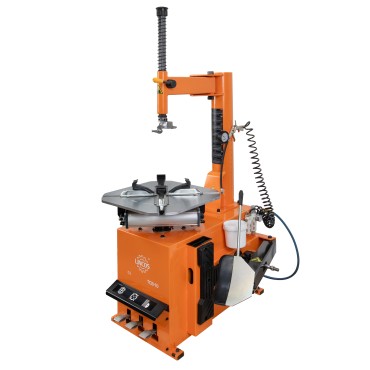 Lincos TCB-10 Tire Changer, Up to 24", Swing Arm, 230VView product
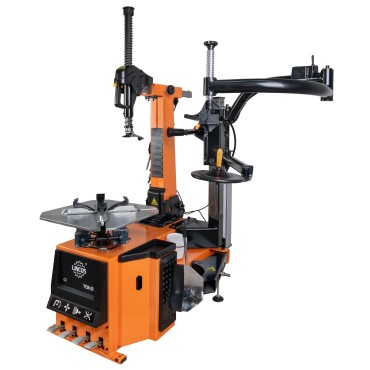 Lincos TCB-21 24" Tire Changer, 400V, Tilting Column and Helper ArmView product
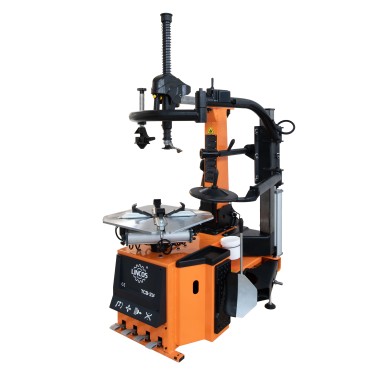 Tyre changer, 26", fast inflation systemView product
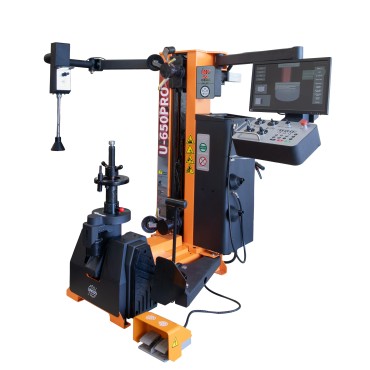 Fully automatic tyre changer 13"-28"View product
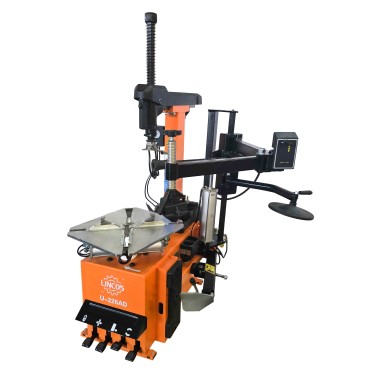 Automatic tyre changer 24", variable speedView product
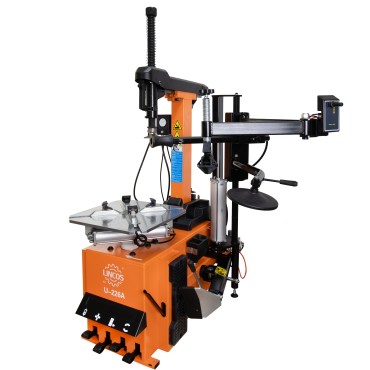 Automatic tyre changer 24"View product
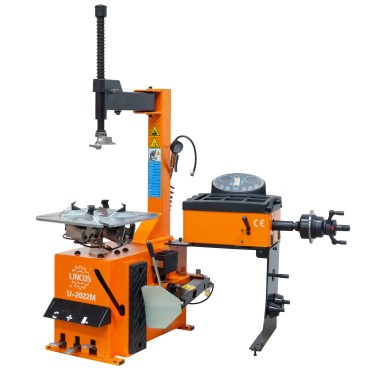 All-in-One Tyre Changer and Wheel BalancerView product
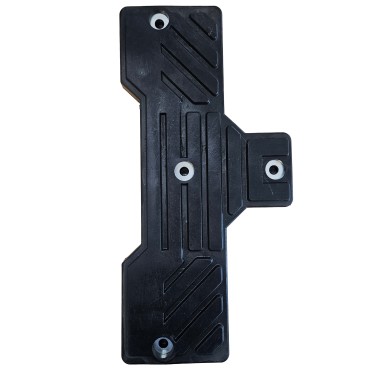 Tire support for wheel mechanicsView product