
Chauffage par induction en automobile : choisir entre 1 500 W et 2 250 W pour débloquer des pièces grippées
Découvrez les différences entre chauffes-induction 1 500 W et 2 250 W pour débloquer des assemblages grippés en automobile, leurs applications, avantages, limites, et accessoires associés.
Introduction to Induction Heating in Automotive
Induction heating is a modern, efficient, and safe method for loosening seized mechanical parts, especially in the automotive sector. This technique heats the metal part using electromagnetic induction, enabling quick action without the risk of flame or sparks. Among available options, models with power levels of 1 500 W and 2 250 W are often compared for their performance and suitability to workshop needs.
Features of 1 500 W and 2 250 W Induction Heaters
### 1 500 W Induction Heater
The DHI-15 model (reference 2308) is an induction generator with 1 500 W designed for effective heating of glued, rusted, or corroded assemblies. Its main advantages include:
- Power suited for medium-sized parts with low thermal inertia
- Fast and controlled heating with 3 coils included for various application shapes
- Safety with flame- and spark-free operation
- Built-in short-circuit protection
This model is ideal for loosening bolts, nuts, and small parts in workshops without requiring excessive power.
### 2 250 W Induction Heating
The 2 250 W induction heater category generally includes more powerful devices like the DHI-45F (reference 2315), which reaches 3 700 W. Devices with intermediate power near 2 250 W cater to higher demands, allowing:
- Faster heating of parts with greater thermal inertia
- Unlocking larger or more seized assemblies
- Increased flexibility for various operations and part sizes
Such devices often use specific accessories like induction coils (references 420, 421, 2320) optimized per part shape and size.
Choosing Coils and Accessories for Optimal Loosening
Heating efficiency also depends on coil selection. Several types are available:
- Flat coil 60 mm white (ref. 420): ideal for flat surfaces or removing stickers.
- White hook induction coil (ref. 421): suitable for wrapping and heating cylindrical parts or bolts.
- 750 mm cable coil (ref. 2320): designed for loosening bearings, bolts, and larger gears.
Additionally, a suitable cooling liquid (ref. 2310) is essential to maintain device temperature and ensure safe, prolonged operation.
Using a dedicated versatile trolley (ref. 41) eases equipment handling and organizes components within reach.
Advantages and Limitations by Power Level
Power 1 500 W:
- Suitable for precise work on small to medium parts
- Lower energy consumption
- More accessible and compact
- Perfect for loosening bolts, screws, and small fasteners
Power 2 250 W (or higher):
- Allows treatment of larger or colder parts
- Faster heating
- Useful for heavily corroded or bulky assemblies
However, it is crucial to avoid overheating sensitive components as excessive temperatures may damage surface treatments or cause deformation risks.
Practical Tips for Effectively Loosening Seized Parts
- Select a coil fitting the shape and size of the part to heat.
- Adjust power and heating time moderately based on material to prevent damage.
- Always use manufacturer-recommended safety devices: cooling, electrical protection.
- Refer to the equipment manual for safety instructions and correct usage recommendations.
Checks Before Purchase
To choose between devices 1 500 W or 2 250 W, verify:
- The size and type of parts usually treated
- Usage frequency and duration of interventions
- Availability of compatible coils and accessories, like cooling liquid
- Workshop setup: presence of a suitable trolley may affect mobility
Selecting a properly sized induction heater avoids overspending or insufficient power for your needs.
---
In summary, induction heating is an effective solution to loosen seized parts in automotive environments. Choosing between models 1 500 W and 2 250 W depends on the size, nature of assemblies to heat, and usage frequency. Ensure to also select the right coils and accessories to maximize performance safely.
Explore the equipment
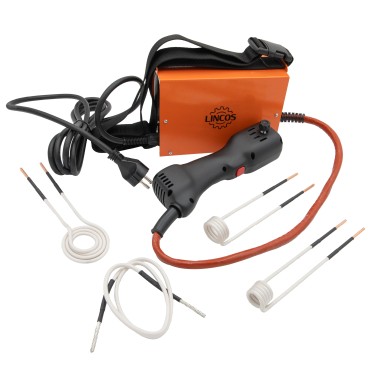 Induction Heater 1500WView product
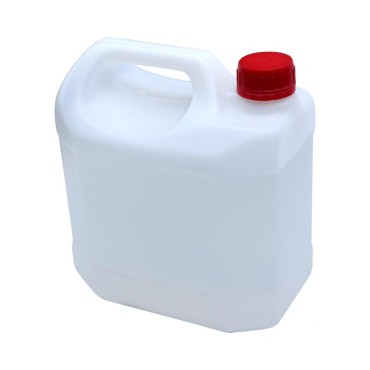 Coolant liquid for induction heaters, 10LView product
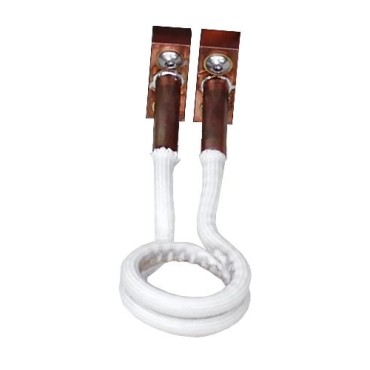 Double-Turn Round Induction Coil for DHI-45C, 22 mmView product
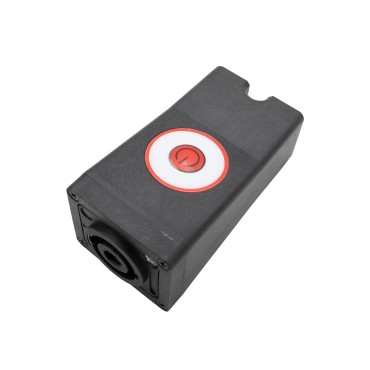 PDR Induction HeadView product
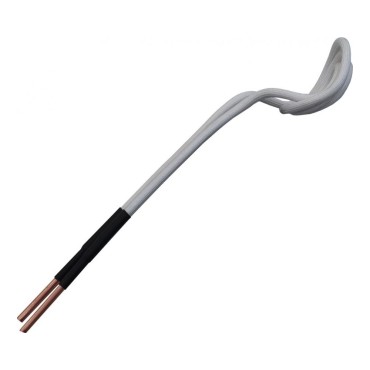 White Hook Induction Coil for Induction HeatersView product
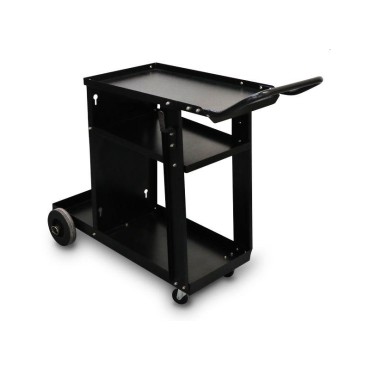 Three-Tier Trolley for DHI-4 Induction HeatersView product
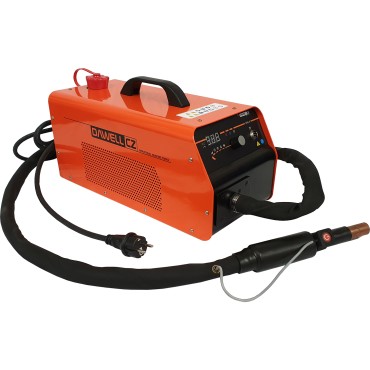 Portable workshop induction heater with water cooling 3700WView product
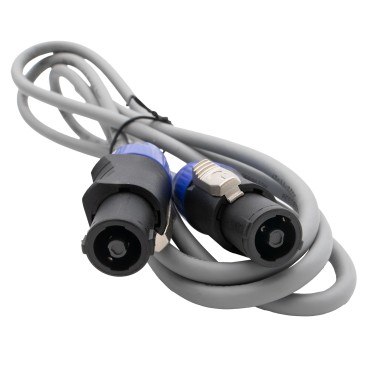 Dent Repair Machine Double Connector CableView product