
TPMS Sensors at 315 or 433 MHz: How to Choose and Program the Right Sensor?
Choosing the right TPMS sensor involves identifying the frequency, ensuring vehicle compatibility, and programming it correctly. This guide covers essential criteria and tools for success.
Understanding TPMS Frequencies: 315 MHz vs 433 MHz
The Tire Pressure Monitoring System (TPMS) uses wireless sensors that communicate with the vehicle generally on two main frequencies: 315 MHz and 433 MHz. The frequency to use depends on the geographic area and the vehicle manufacturer. In Europe, the frequency 433 MHz is mostly used, while 315 MHz is more common in North America.
It is crucial to measure the frequency required by your vehicle’s original system before selecting a sensor. Using a sensor on the wrong frequency results in no communication between sensor and vehicle, causing loss of pressure monitoring functionality.
How to Choose the Suitable TPMS Sensor
To select a reliable and compatible TPMS sensor, consider these criteria:
- Frequency compatibility: choose a sensor designed for your vehicle’s frequency (315 MHz, 433 MHz, or dual frequency).
- Valve type: depending on your rim, opt for anodized aluminum valves (more robust, aesthetic) or rubber valves according to compatibility.
- Pressure range: ensure the sensor’s pressure range covers that required by the manufacturer.
- Battery life: select a battery life matching intended use, typically between 4 and 6 years.
For example, the Autel MX-Sensor TPMS 433 MHz (ref. 562-3510B) supports up to 98 % of European original sensors, features a black aluminum valve and battery life exceeding 5 years. For dual frequency 315/433 MHz compatibility, the Autel 1-Sensor (ref. 562-3525B) is a versatile choice.
Efficiently Programming a TPMS Sensor
For the TPMS sensor to properly communicate with the vehicle, programming or "cloning" to match the car model's specifics is often necessary. This requires a suitable programming tool capable of reading, configuring, and updating sensors.
The professional Autel TS508 tool (ref. 562-3548WF) enables:
- Automatic detection of installed sensor frequency (315 or 433 MHz)
- Programming or reprogramming MX-Sensor and compatible sensors
- Reading TPMS data and verifying installed sensors
- Receiving regular updates via Wi-Fi or USB to stay compatible with the latest vehicle models.
Proper programming ensures a reliable and stable link between sensor and vehicle, avoiding false alerts.
Choosing and Replacing the Right TPMS Valves
Valves are essential for sealing and securely attaching the TPMS sensor. Options vary depending on rim type and sensor:
- Aluminum valve TR413 compatible with original Schrader sensors (ref. 562-3908): robust, replaces OEM and universal valves.
- Rubber valve TR413 for Schrader and EZ-Sensor 2.0 (ref. 562-3904 and 562-3911): flexible, commonly standard.
- Specific aluminum valve for Tesla Model 3, S, X, Y (ref. 562-3952), suitable for Bluetooth Sysgration sensors.
Always verify compatibility with the sensor model and rim before replacing.
Pre-Purchase Checks
- Verify the required frequency for your vehicle via the manufacturer’s manual or a diagnostic tool.
- Confirm sensor compatibility with vehicle model, pressure range, and valve type.
- Use an appropriate programming tool, such as the Autel TS508 tester, to ensure correct installation and operation.
- Ensure the valve kit matches your rim type (aluminum or rubber).
Following these guidelines ensures a reliable choice and professional installation of TPMS sensors, critical for safety and compliance during workshop interventions.
Explore the equipment
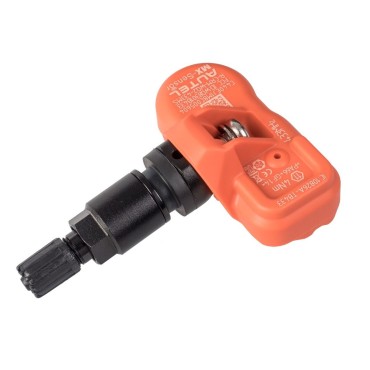 Autel Mx-Sensor 433Mhz Europe alu blackView product
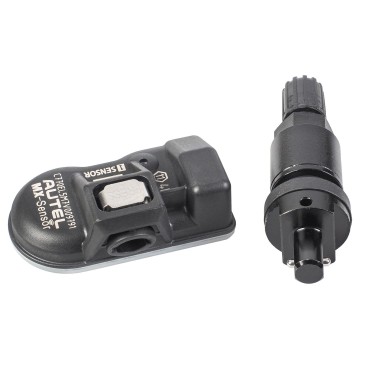 Autel 1-Sensor TPMS 433/315MHz pressure sensor with aluminium black valveView product
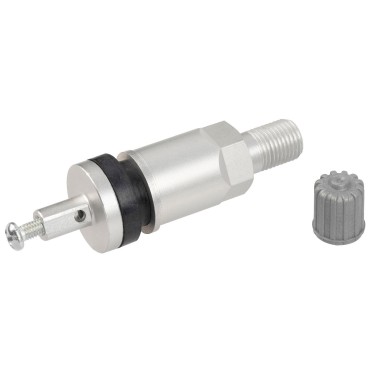 TPMS Aluminium Valve for OEM Schrader Sensors, TR413View product
 Rubber Mallet 4.5kgView product
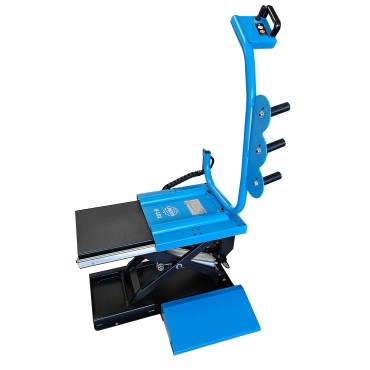 Pneumatic Wheel Lift for Wheel Balancers, 75 kgView product
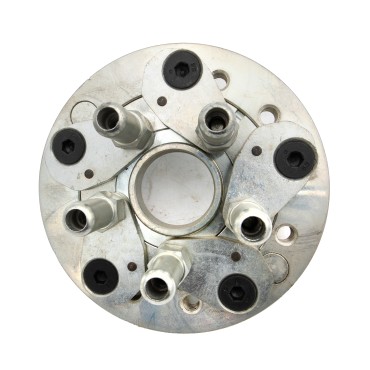 Universal wheel adapterView product
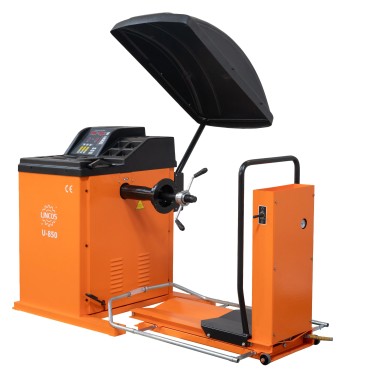 Truck Wheel Balancer, 10"-24", Manual Data Entry, 230VView product
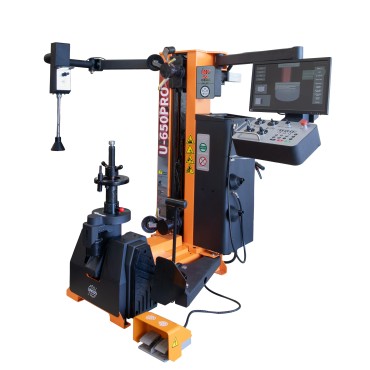 Fully automatic tyre changer 13"-28"View product