
Pneumatic Valve for Tire Changers: How to Identify and Replace a Defective Valve Safely
The pneumatic valve is essential for the proper functioning of a tire changer. This guide helps you recognize a defective valve and replace it with suitable tools to ensure your workshop’s equipment safety and performance.
Understanding the Role of the Pneumatic Valve in a Tire Changer
The pneumatic valve in a tire changer is a crucial component that controls the flow and regulation of air within the inflation or exhaust system. Its main function is to allow rapid injection of air into the mounted tire or, depending on the model, to facilitate progressive deflation. A valve in good condition ensures optimal operation of the tire changer, preserving both the tool's efficiency and safety during mounting and dismounting operations.
How to Identify a Defective Valve?
Several signs may indicate a faulty pneumatic valve:
- Air leaks: continuous or pressure-triggered air escaping usually points to a worn seal or improper assembly.
- Difficulty inflating or deflating: if the valve does not allow regular airflow, the pressure may not hold or inflation will be slow.
- Visible damage: cracks, corrosion, or deformation of the valve require prompt replacement.
- Malfunctioning exhaust mechanism: for valves integrated in certain tire changers, malfunctioning of the exhaust valve prevents rapid and safe inflation.
Necessary Tools and Accessories for Replacement
To work on the pneumatic valve, some specific tools are recommended:
- Double-ended valve core remover VG5 and VG8 (ref. 562-8092): allows unscrewing and removal of spring inserts from standard valves.
- Double tool for removing valve cores (ref. 562-8102): also used to remove spring valve cores before replacement.
- Exhaust valve for tire changers with rapid inflation (ref. ATP-CEV): direct replacement for worn exhaust valves.
- 5-way valve for tire changers (ref. ATP-FW4): versatile option for some tire changer models requiring multi-way valves.
These tools facilitate the removal and installation of valves without damaging surrounding components.
Careful Steps for Valve Replacement
- Safety first: completely depressurize the tire changer before any intervention. Consult the user manual for specific instructions.
- Removing the defective valve: with the appropriate valve core remover, unscrew and remove the valve core.
- Inspection: check the valve seat condition and clean away any debris.
- Installing the new valve: select a compatible valve (e.g., ATP-CEV exhaust valve or 5-way valve ATP-FW4 according to your requirements). Gently screw in the new core with the proper tool.
- Functionality test: after reassembly, check pressure, monitor for leaks, and ensure the air mechanism works correctly.
Precautions and Checks Before Purchase
- Compatibility: verify that the chosen valve matches the model and type of your tire changer (standard, 5-way, etc.).
- Quality tools: using suitable tools like the VG5/VG8 core remover or the 4-in-1 valve repair tool (ref. PCLTVT-0100) ensures a clean replacement without damage.
- Consult the manufacturer's manual: each tire changer has specific maintenance and component replacement instructions.
- Overall condition: while replacing the valve, inspect the entire pneumatic circuit to prevent future breakdowns.
By following these guidelines and using the appropriate products and accessories, identifying and replacing a defective pneumatic valve on a tire changer can be done effectively and safely, ensuring the longevity of your workshop equipment.
Explore the equipment
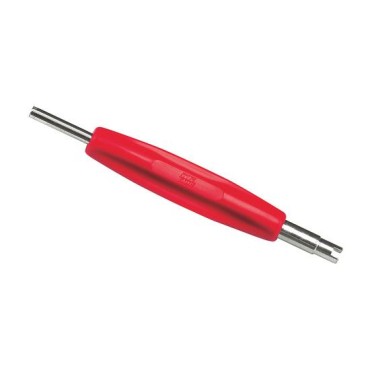 Double-Ended Valve Core Remover for VG5 and VG8 InsertsView product
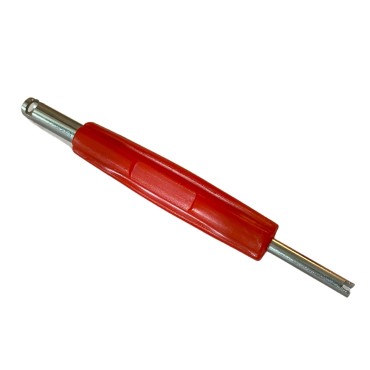 Double-Ended Valve Insert RemoverView product
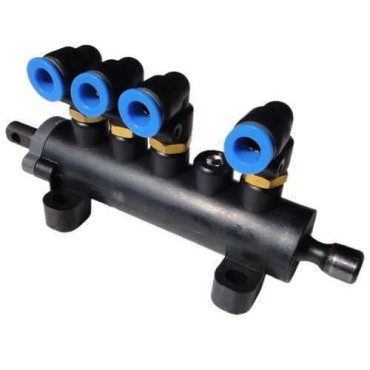 5-way-way valve, for tyre changersView product
 Handheld TPMS tool with wireless VCI, diagnostics and service resets, 5.45inch touchscreenView product
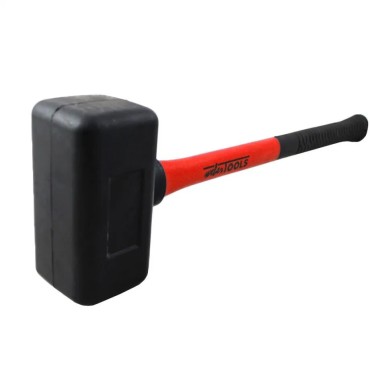 Rubber Mallet 4.5kgView product
 Pneumatic Wheel Lift for Wheel Balancers, 75 kgView product
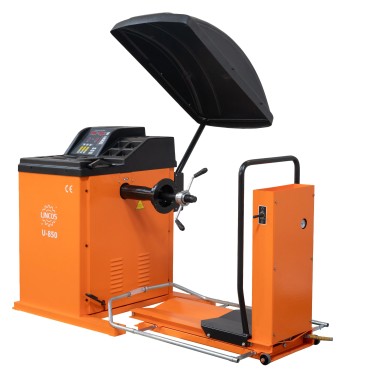 Truck Wheel Balancer, 10"-24", Manual Data Entry, 230VView product
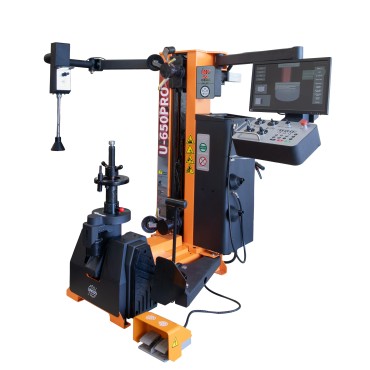 Fully automatic tyre changer 13"-28"View product